5 Lessons from Japanese Booth Design for Thai Brands
At any trade show, every brand has only a few seconds to capture a visitor's attention.
Attendees walk past, look, judge, and move on—all before your sales team even gets a chance to say a single word.
This is why a great exhibition booth isn't just about beautiful aesthetics. It is about clear communication, attracting the right audience, and empowering your sales team to close deals effectively.
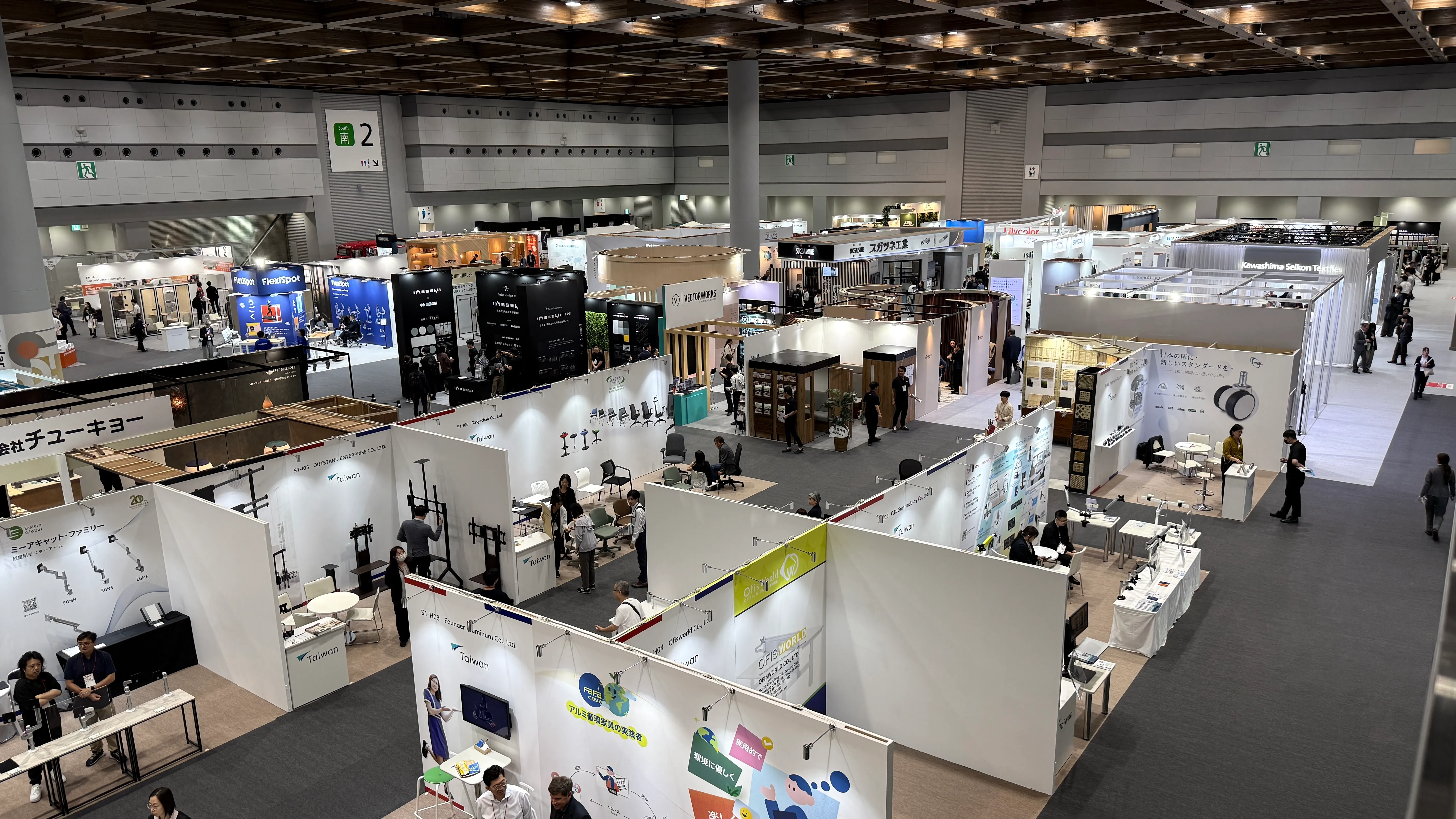
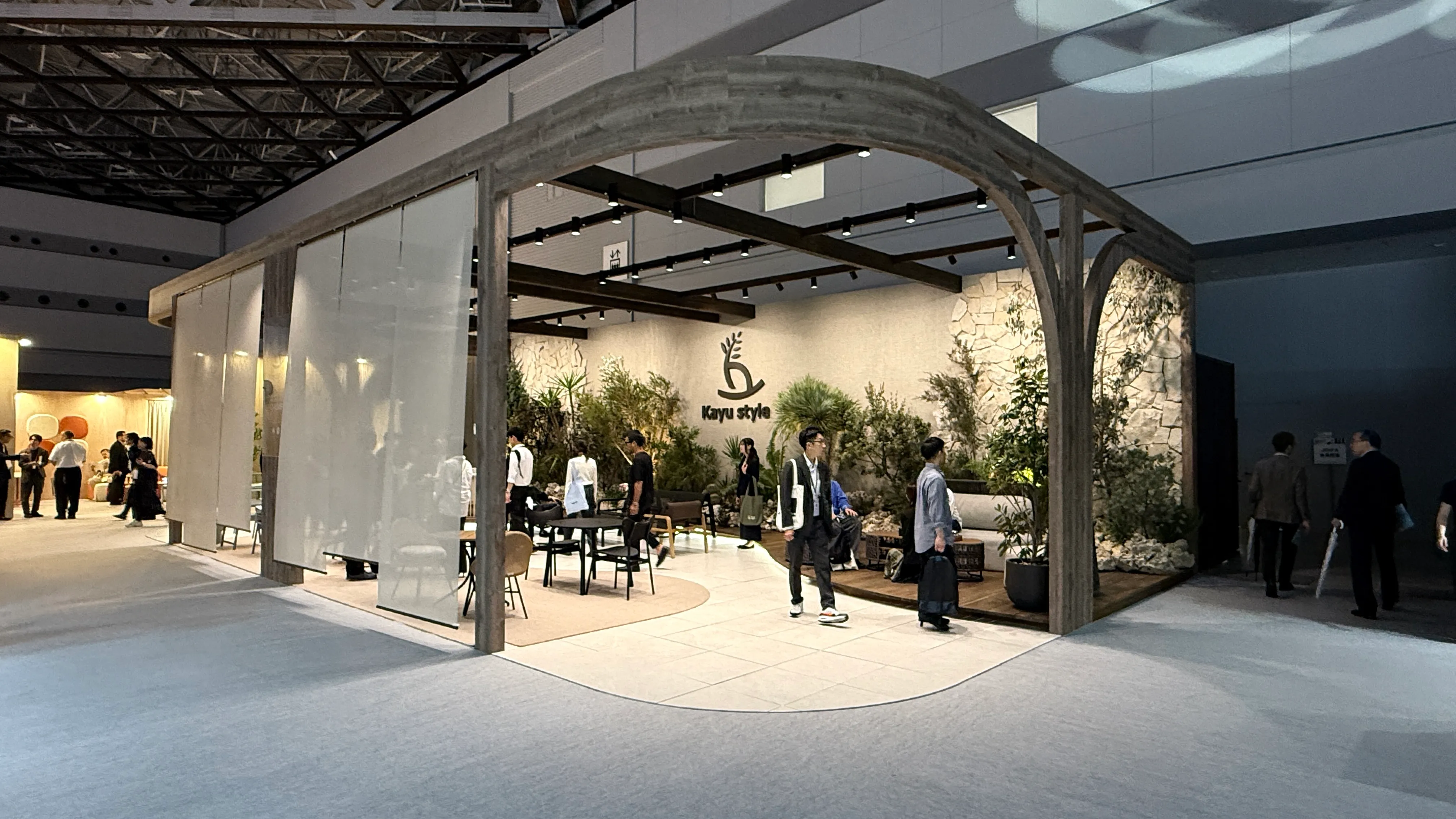
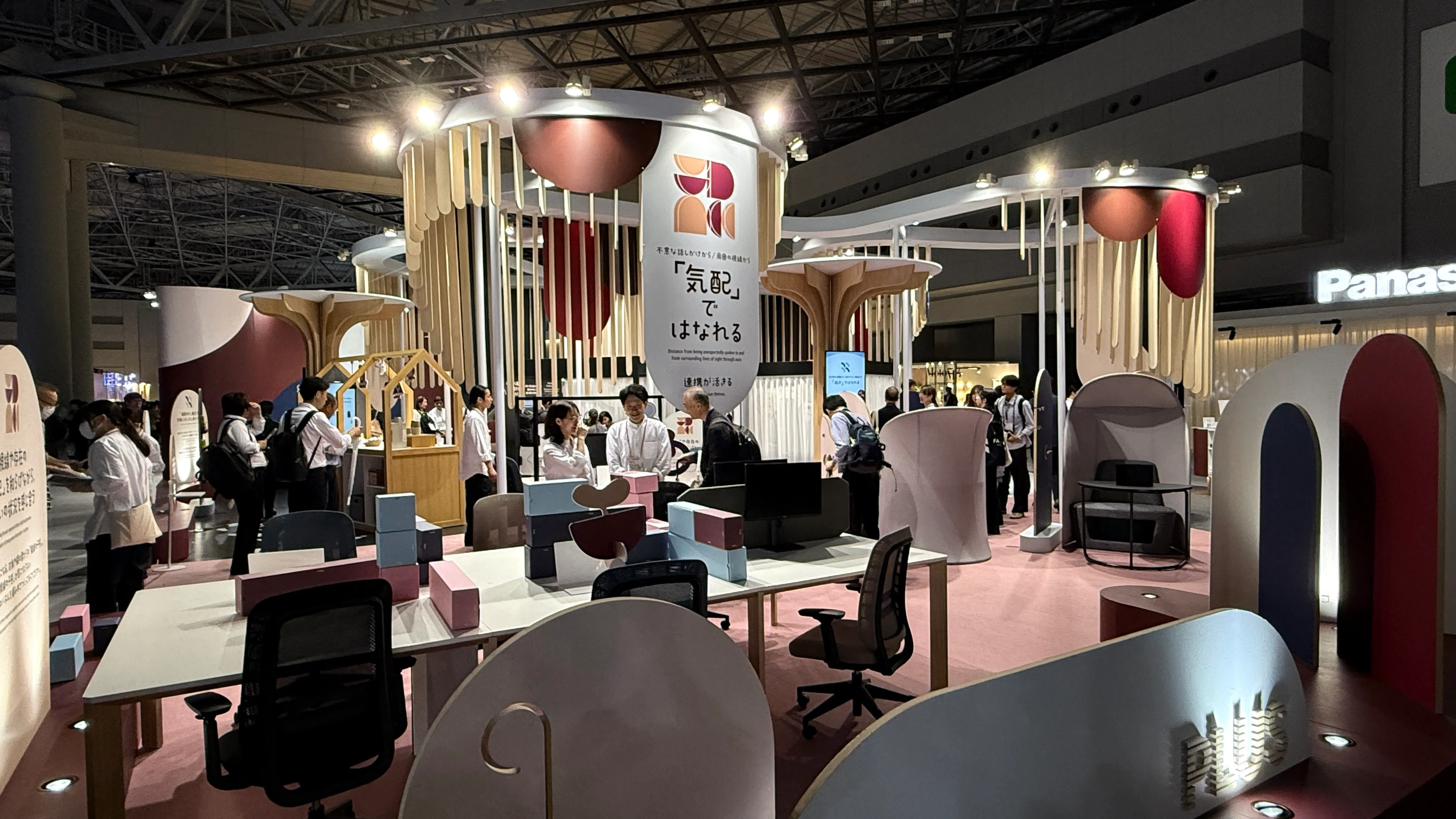
In early June 2026, the Smile Exhibit team traveled to Tokyo Big Sight to visit ORGATEC Tokyo 2026—Asia’s leading international trade fair for workplace design and office environments, featuring over 150 premier global brands. What we observed went far beyond striking visual designs; it was the strategic "thinking behind the design" that can be directly applied to Thai brands preparing for local trade shows.
This article isn’t a mere event review. Instead, it offers 5 practical design lessons that the Smile team brought back to share with Thai brands currently planning booths for major upcoming exhibitions like Thaifex, Architect Expo, BITEC, or QSNCC.
Lesson 1: A Great Booth Must Be Understood Within 5 Seconds
The most striking observation from ORGATEC Tokyo 2026 was clarity at the very first glance.
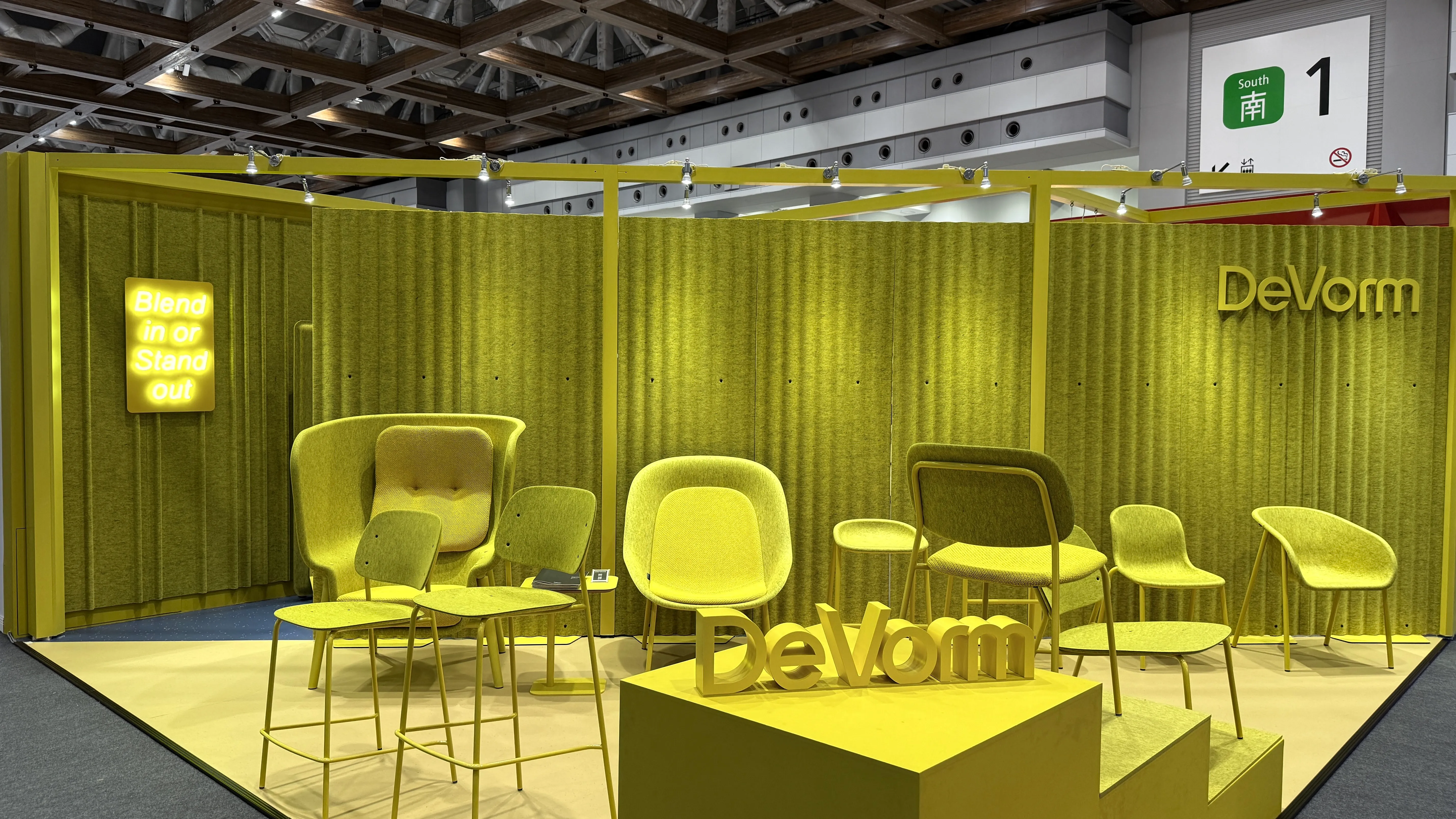
The majority of world-class booths did not try to tell their entire story all at once. Instead, they chose to communicate one core element first—whether it was the brand name, a single powerful headline message, or a hero product. Once the visitor’s interest was piqued, they were naturally drawn inside to explore the finer details.
In a bustling trade show environment, visitors decide whether to stop or walk past within 3 to 5 seconds. If your booth fails to instantly communicate what your brand does and why it matters to them, that window of opportunity closes permanently.
How to Apply This: Before finalizing your design, ask yourself: "If a visitor glances at this booth for the first time, what will they immediately understand?". If the answer is vague, your graphics, messaging, and layout still need refinement.
Lesson 2 · Product Display is About Hierarchy, Not Completeness
One of the most common mistakes made by Thai brands is attempting to display their entire product catalog within a limited booth space. The result is almost always a cluttered, confusing environment with no clear focal point to anchor the eyes.
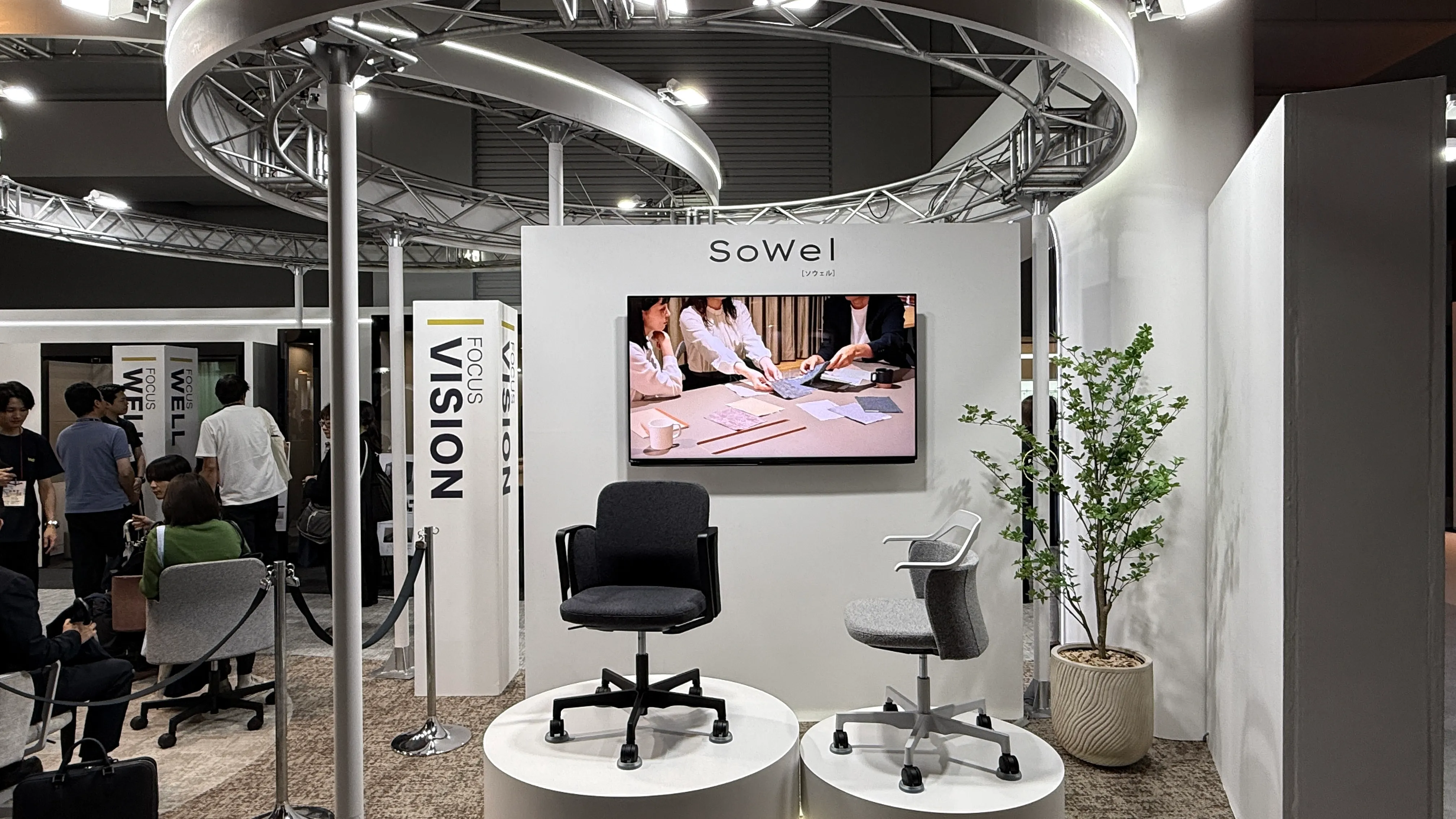
Booths at ORGATEC Tokyo demonstrated a completely different philosophy. Leading brands chose to highlight only 1 to 3 core products, making them highly visible and engaging. The rest of the product lineup occupied supporting zones, ensuring they never competed with the main attraction.
This strategy relies on Product Hierarchy—explicitly defining which item should command initial attention and which elements serve to support the narrative.
How to Apply This: When planning your layout, ask your team: "If a visitor can only remember one single thing from our booth, what should it be?" Then, design the entire space to make that one thing stand out.
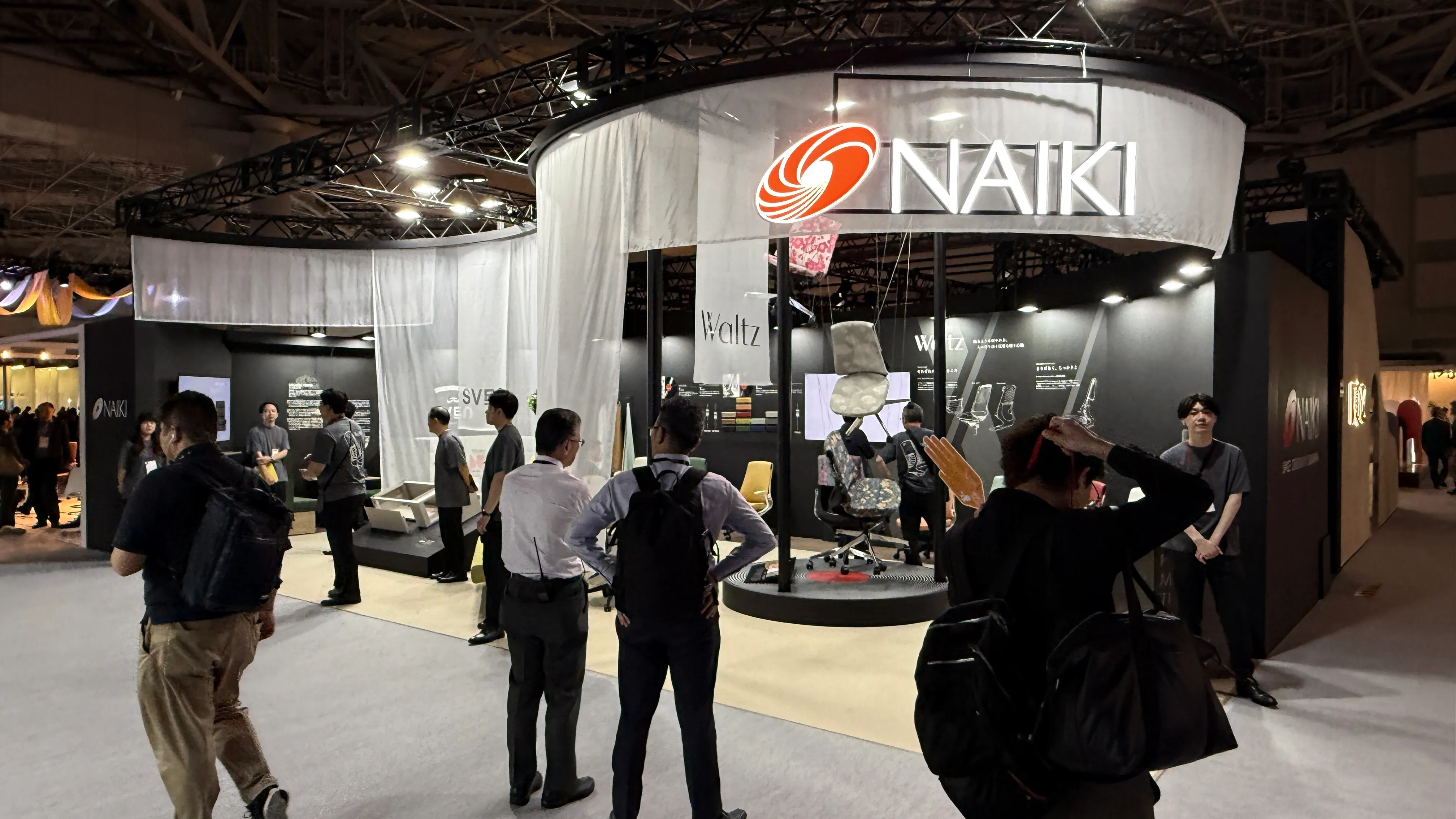
Lesson 3 · The Conversation Zone is a Strategy, Not Just Tables and Chairs
At many trade shows in Thailand, booth meeting areas often look like an afterthought—just a set of tables and chairs placed "because they need to be there," rather than being designed to facilitate actual business conversions.
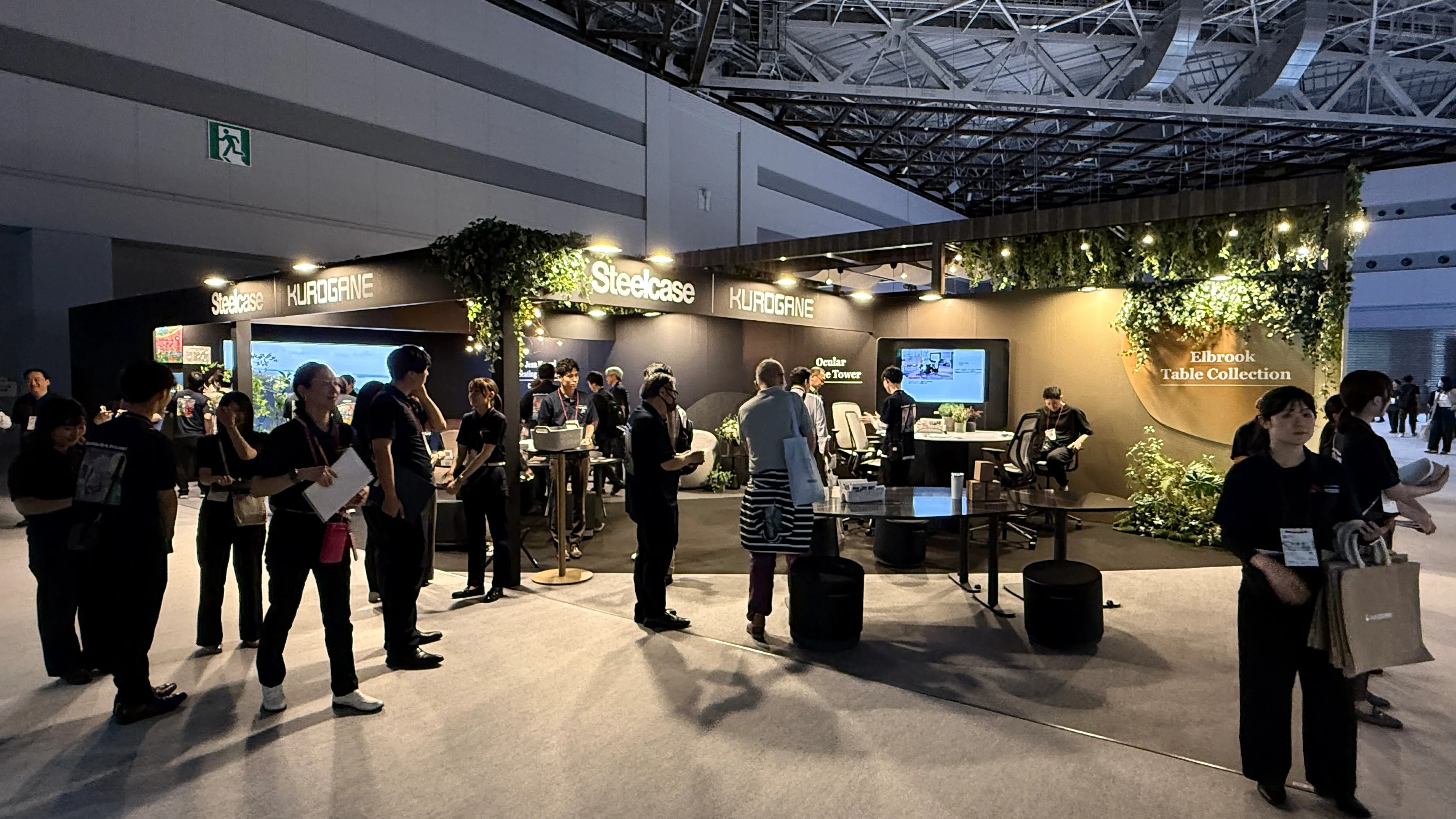
In contrast, B2B booths at ORGATEC Tokyo treated the meeting space as an integral part of the business strategy. These zones were cleverly separated from the high-traffic display areas—not too exposed to cause discomfort, yet not too enclosed to feel intimidating. Furthermore, they were equipped with functional tools to help sales teams maximize face-to-time, such as built-in digital screens for live demonstrations.
How to Apply This: When zoning your booth floor plan, never overlook the Conversation Zone. Map out exactly how your sales team will interact with prospects in this space, and ensure the environment makes visitors feel comfortable enough to discuss serious business.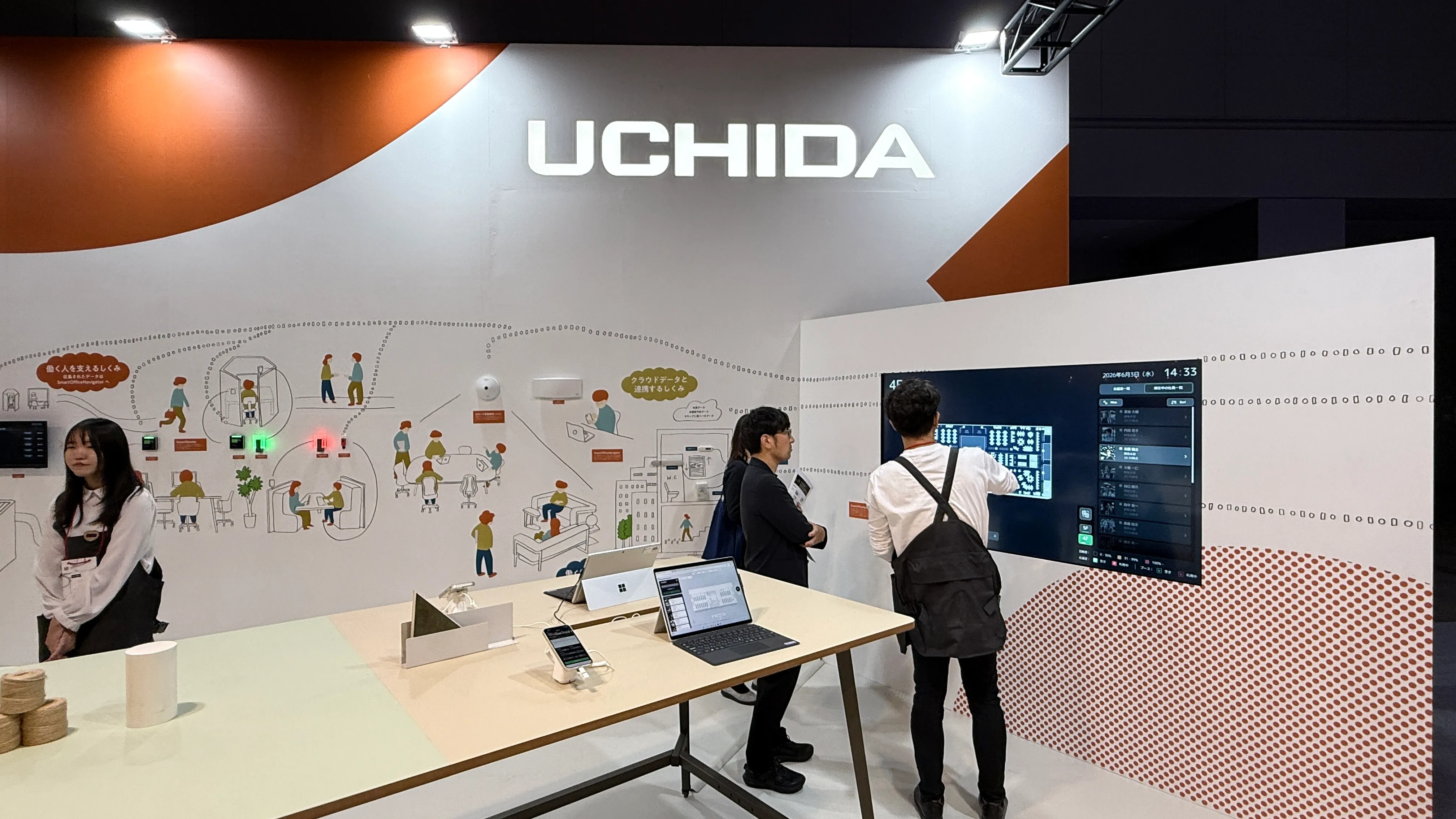
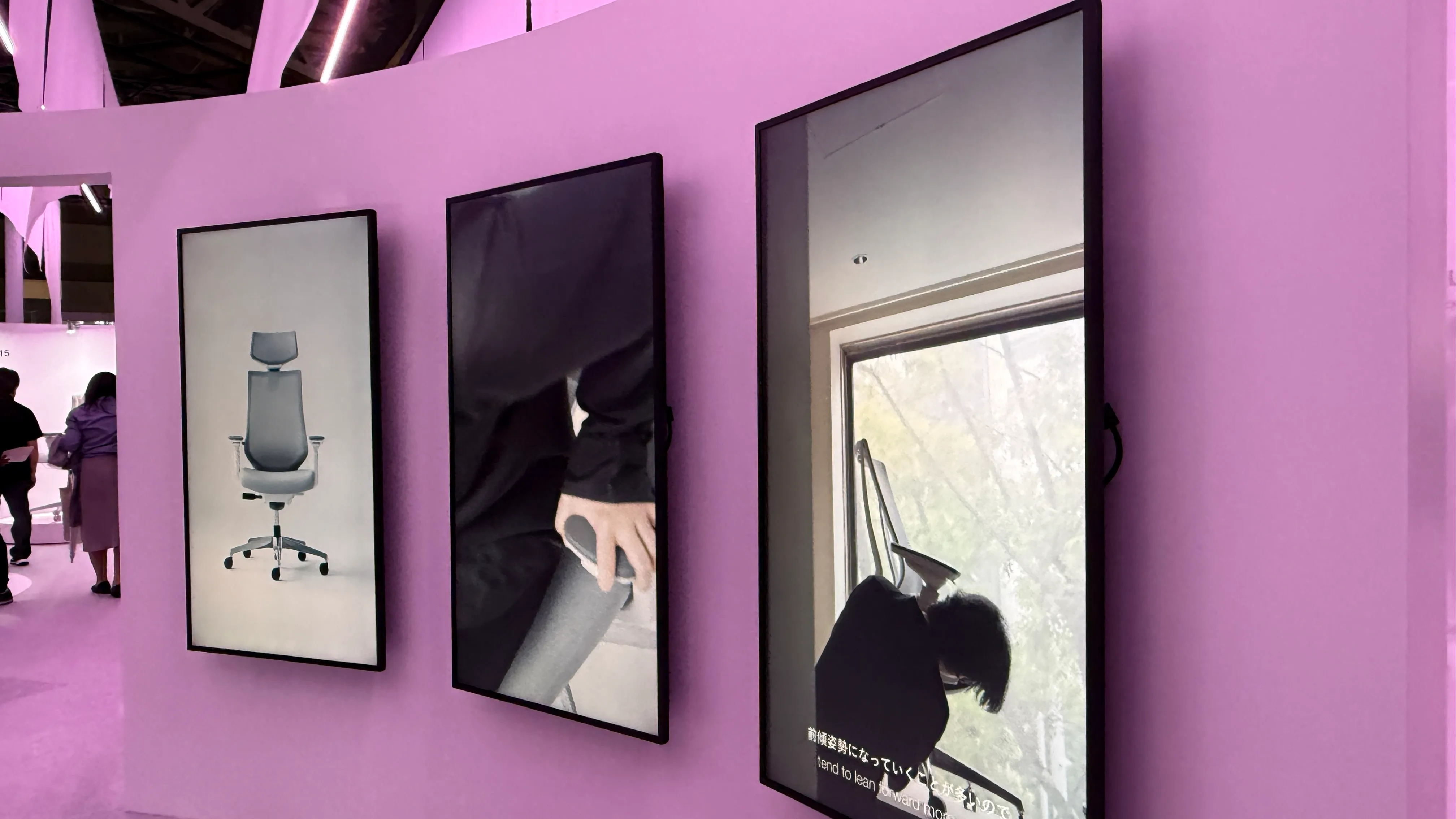
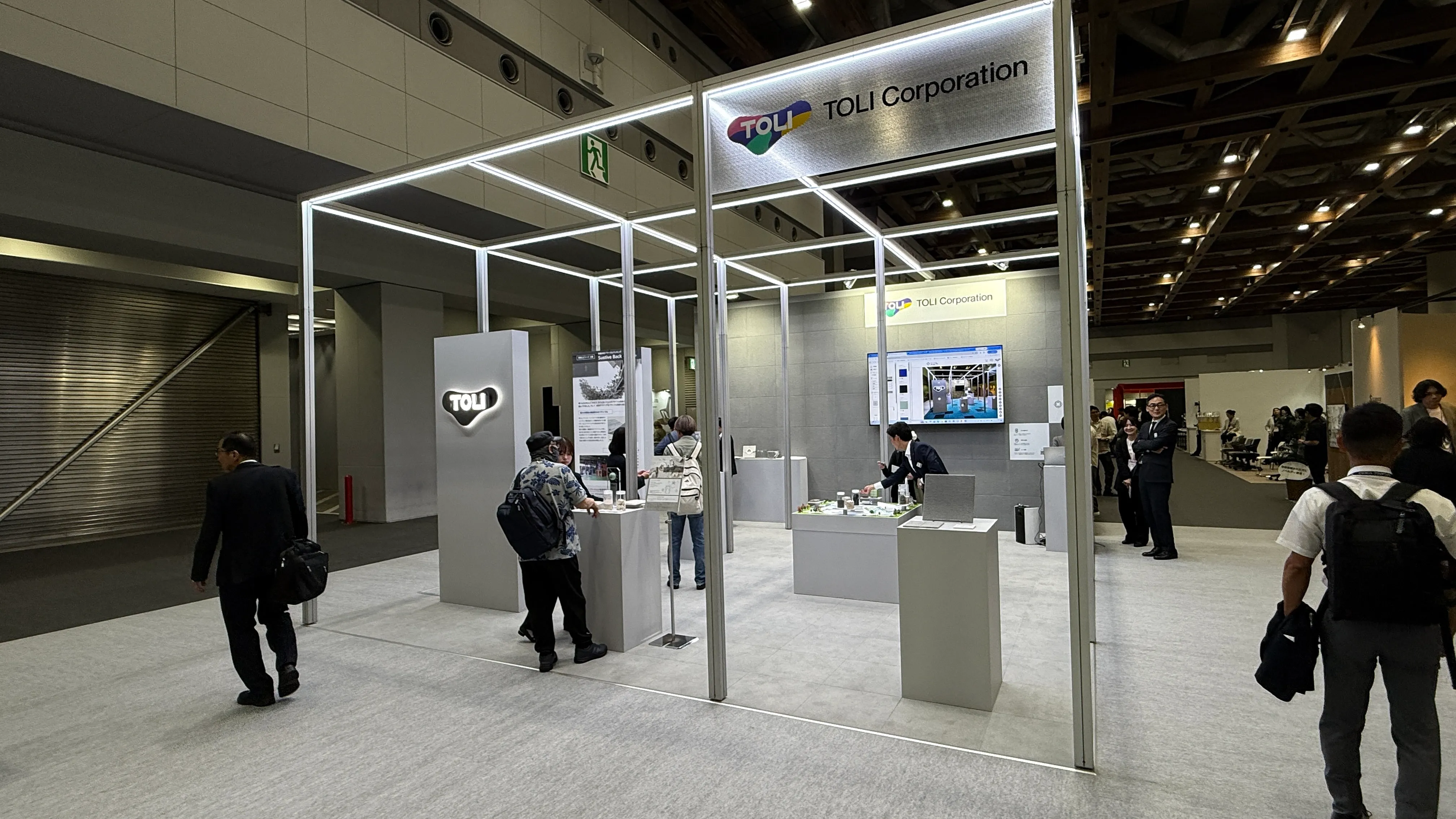
Lesson 4 · Materials, Lighting, and Graphics Must Speak the Same Language
A frequent issue found in local trade shows is visual fragmentation: the materials point in one direction, the graphics point in another, and the lighting is added without considering the overall composition. The end result is a booth that looks like a collection of random parts rather than a cohesive brand experience.
The most memorable booths in Tokyo proved that you don't need excessively expensive or overly complex materials to make an impact. Instead, every single element—from the texture of the surfaces to the direction of the lighting and the color palette of the graphics—cooperated to tell a single story.
For example: A booth aiming to communicate minimalism and engineering precision would utilize clean-textured surfaces, sharp accent lighting, and minimalist typography using a single consistent typeface.
How to Apply This: Before deciding on materials and graphics, define the exact emotion you want visitors to experience. Then, audit every single design element to ensure it aligns with that intended feeling.
Lesson 5: A Good Booth Must Be Buildable, Not Just Render-Ready
While this final lesson happens behind the scenes, it is arguably the most critical factor in real-world exhibition success.
Many of the booths at ORGATEC Tokyo were meticulously engineered for rapid installation and clean dismantling, taking into account the strict time limits and regulations of the venue. This isn't a compromise on creativity; it is the hallmark of exceptional engineering and design.
A booth that looks breathtaking in a 3D CAD render but fails to be completed before the show opens—or requires costly, stressful adjustments on-site—is a failed design.
Whether you are exhibiting at Thaifex (IMPACT) or the Architect Expo (BITEC), installation windows are incredibly tight. Materials must be highly transportable, structures must assemble according to plan, and everything must be 100% ready before the doors open to VIP buyers.
How to Apply This: When selecting your booth design and production partner, ensure they possess extensive, proven on-site experience. A great design partner must be able to seamlessly translate a digital concept into a flawlessly delivered physical structure—on time, every time.
What Thai Brands Should Prepare Before Briefing a Designer
To achieve a sharp, highly functional Japanese-style booth, brands should gather the following essential details before sending out a design brief:
1. Booth Size and Open Sides: This directly dictates the layout possibilities, structural integrity, and visitor traffic flow.
2. Exhibition Objectives: Clearly define whether your primary goal is brand awareness, lead generation, a new product launch, or B2B business matching.
3. Hero Products: Select only the absolute priority items that must be highlighted for this specific event.
4. Budget and Timeline: These two parameters define what is realistically achievable from a production standpoint.
5. On-Site Sales Activities: Plan out how your team will operate—will they be conducting live demonstrations, giving formal presentations, or scanning QR codes for lead retrieval?
Providing these insights allows your design partner to build a concept rooted in commercial utility, rather than just a beautiful shell.
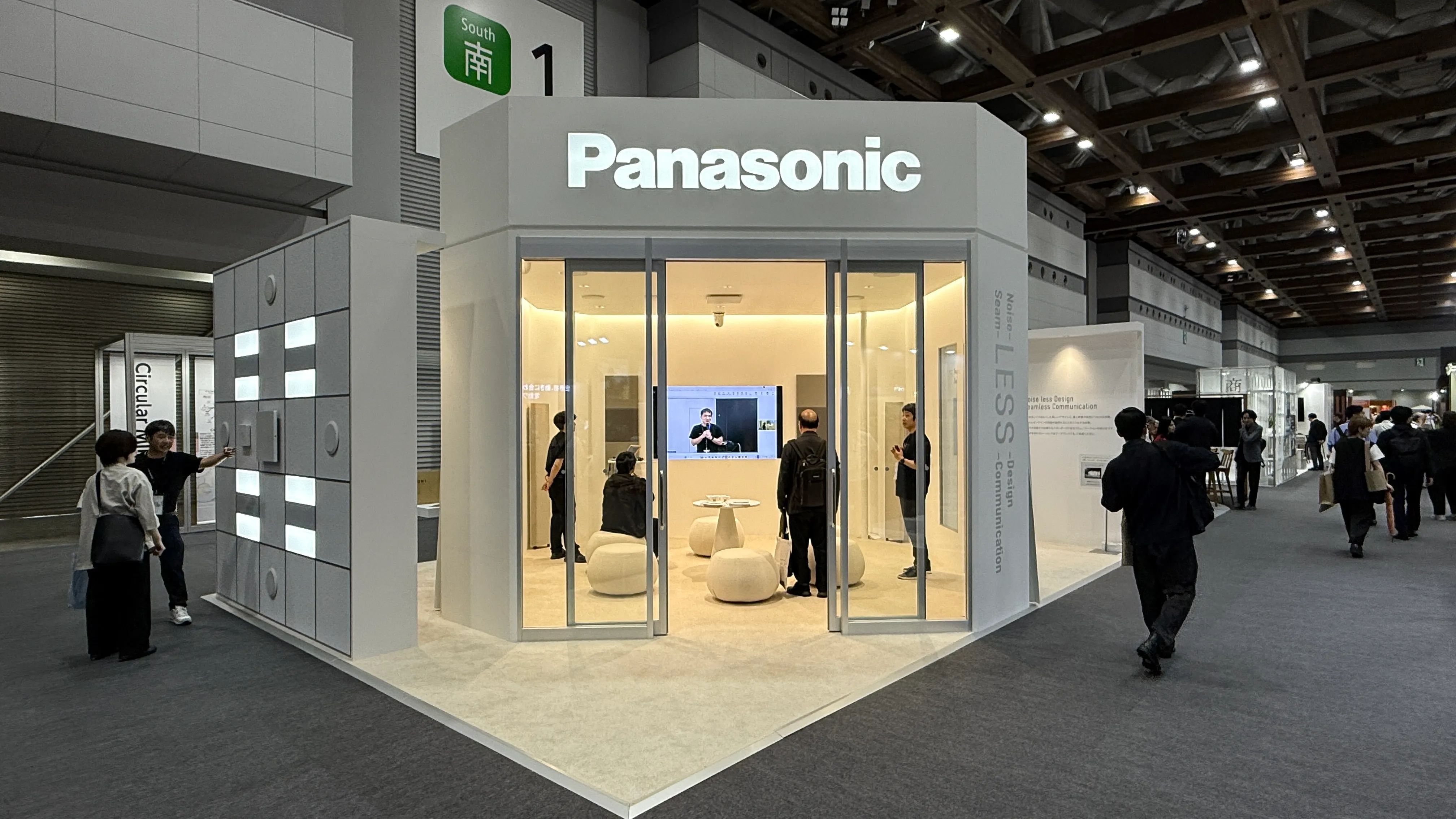
How Smile Exhibit Translates Concepts into Reality
At Smile Exhibit, we manage the entire lifecycle of your exhibition presence—from initial concept creation and strategic design to precision factory manufacturing, on-site setup, and final handover.
We firmly believe that an exceptional booth is born when designers and production engineers work hand-in-hand from day one. This guarantees that the creative concept presented to you can be built flawlessly within your budget, timeline, and venue constraints.
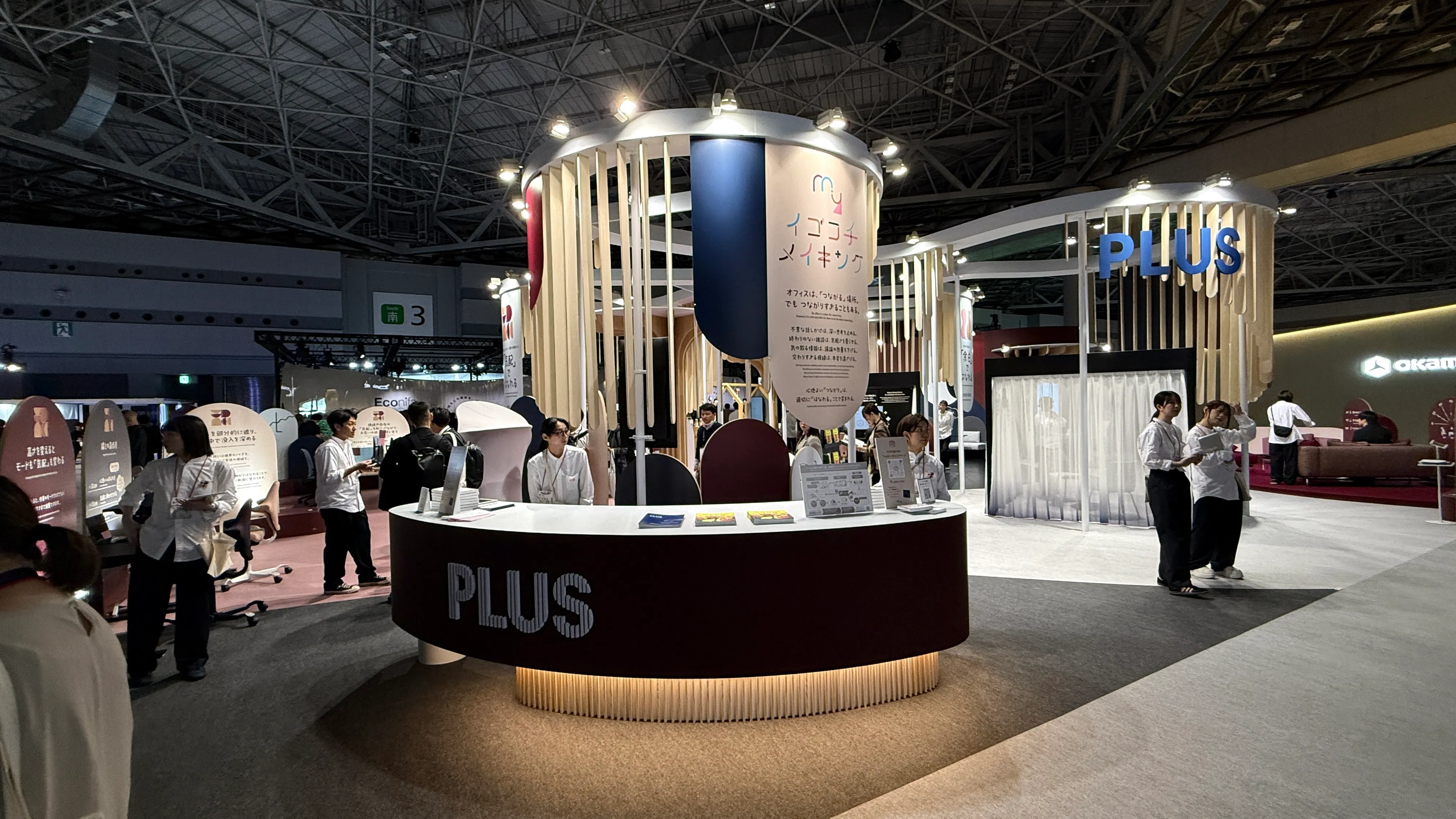
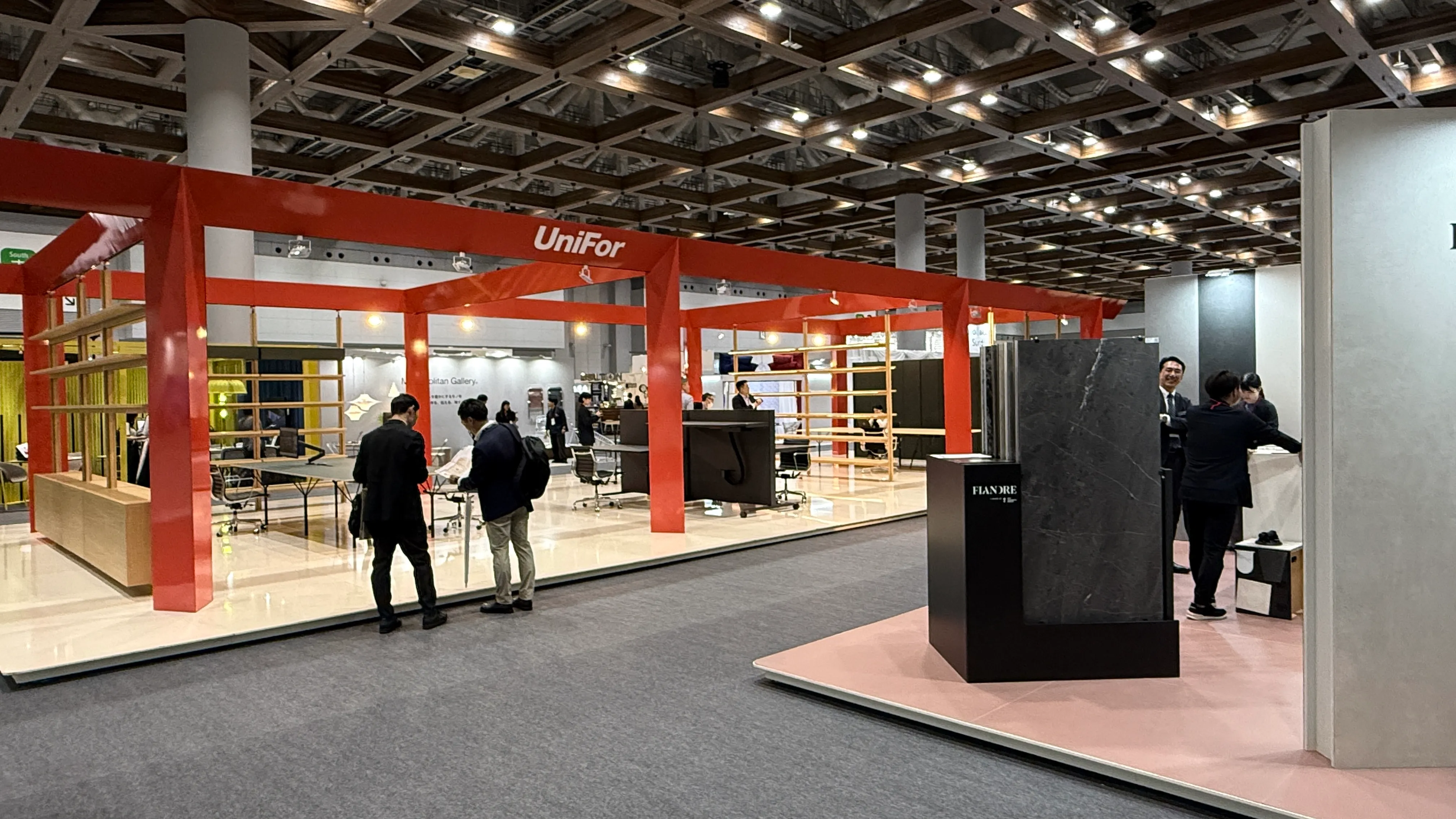
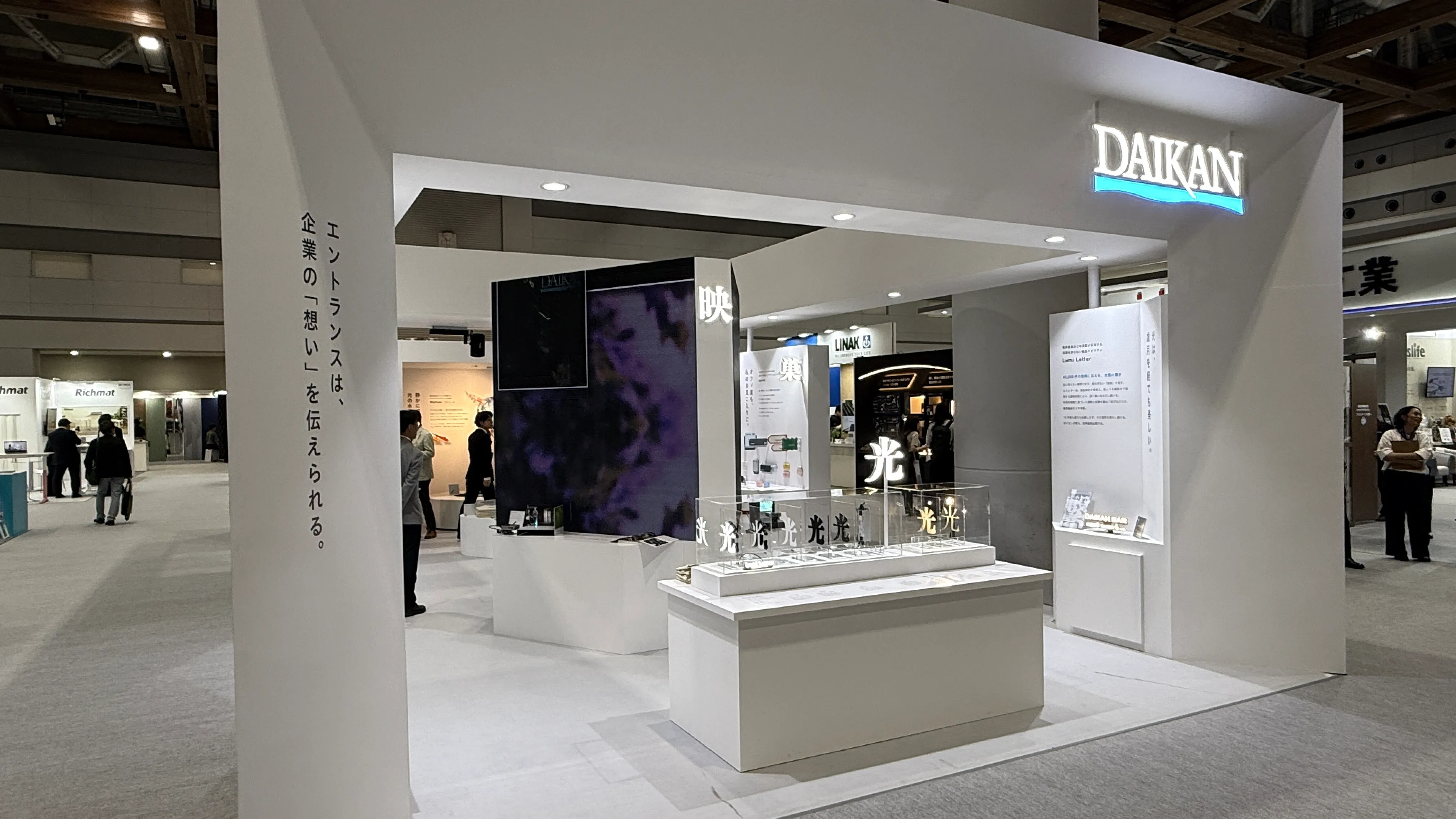
What sets Smile Exhibit apart:
Production-led Design: We engineer buildability into our concepts right from the first sketch.
Local Venue Expertise: Decades of collective hands-on experience across Thailand's premier venues (BITEC, QSNCC, IMPACT).
End-to-End Management: One dedicated point of contact handling everything from the brief to the final handover.
Transparent Communication: Clear, upfront breakdowns of every milestone.
Planning your next trade show exhibition?
Get a complimentary initial booth consultation with our expert team—completely free of charge.
Simply tell us the exhibition name, your booth dimensions, and your core messaging goal. Smile Exhibit will immediately provide a preliminary assessment of your project scope, timeline, and production budget.
Contact the Smile Exhibit Team → Email: contact@smileexhibit.com
SMILE EXHIBIT
Design & Production Partner for Booths, Exhibitions, Events & Brand Spaces.
Built Right. Delivered On Time.